
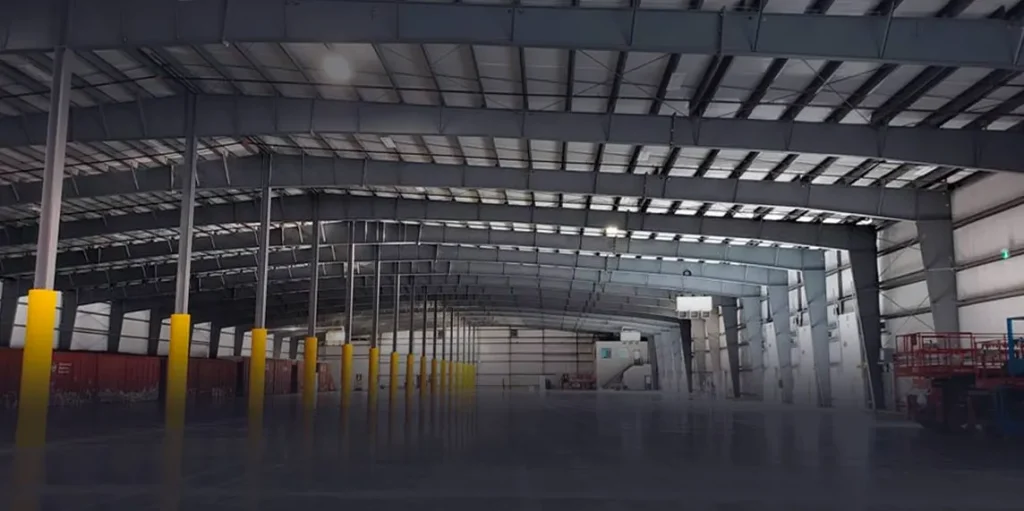
What Is a Steel Structure?
A Comprehensive Review of Types, Advantages, and Applications
Definition of Steel Structures
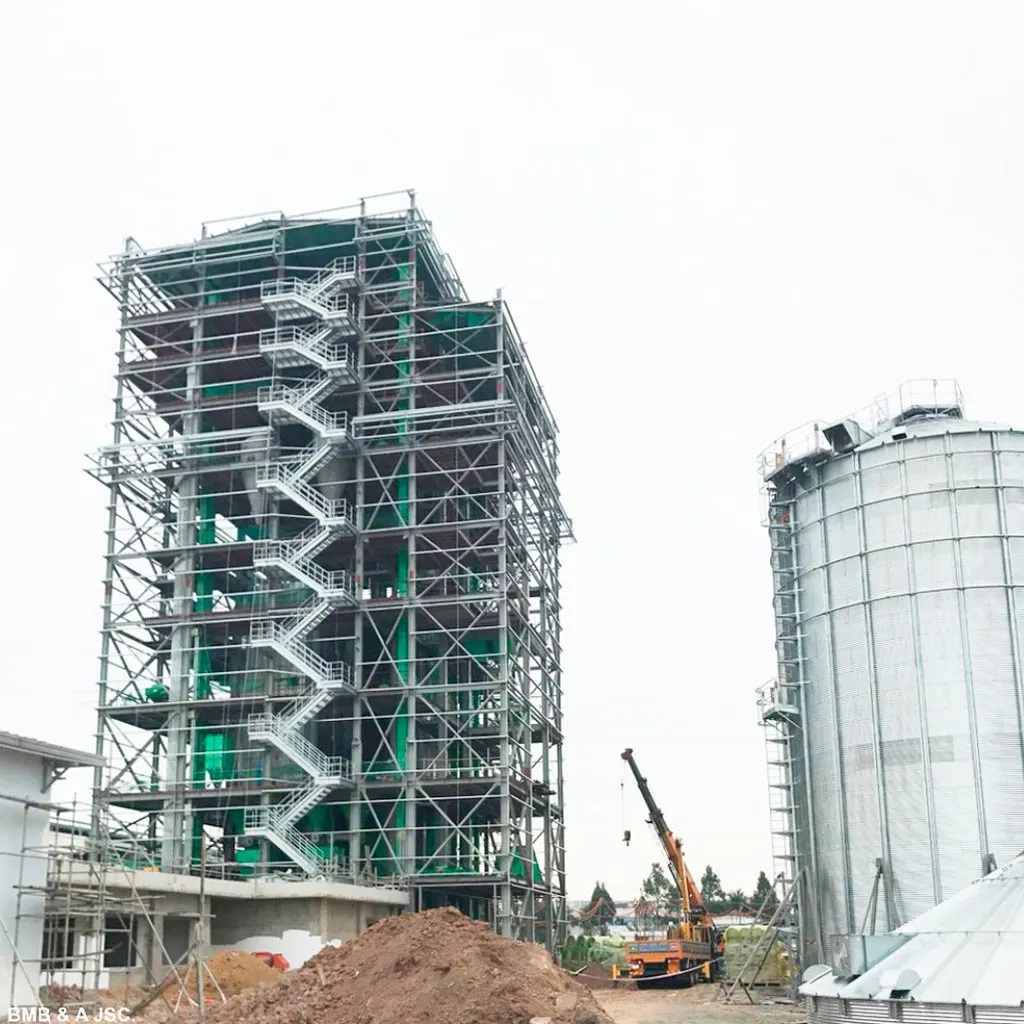
A steel structure is defined as a structural system in which the primary load-bearing members—such as beams, columns, braces, and connections—are fabricated from structural steel. Owing to its high yield strength, inherent ductility, and predictable mechanical behavior, structural steel is regarded as one of the most vital materials in modern construction.
In accordance with structural engineering literature, structural steel design encompasses the evaluation of material properties, limit states (failure modes), tension and compression members, structural connections, and lateral force-resisting systems, which collectively dictate the ultimate structural performance.
The Importance of Structural Steel in the Construction Industry
Over recent decades, the utilization of structural steel in building construction has seen exponential growth. This expansion is driven by advancements in steel manufacturing technologies, the evolution of connection design, and the feasibility of shop-fabricating prefabricated components.
Today, steel structures is widely employed in the following applications:
High-rise buildings
Industrial sheds and industrial structures
Bridges
Long-span structures
Modular and prefabricated structures
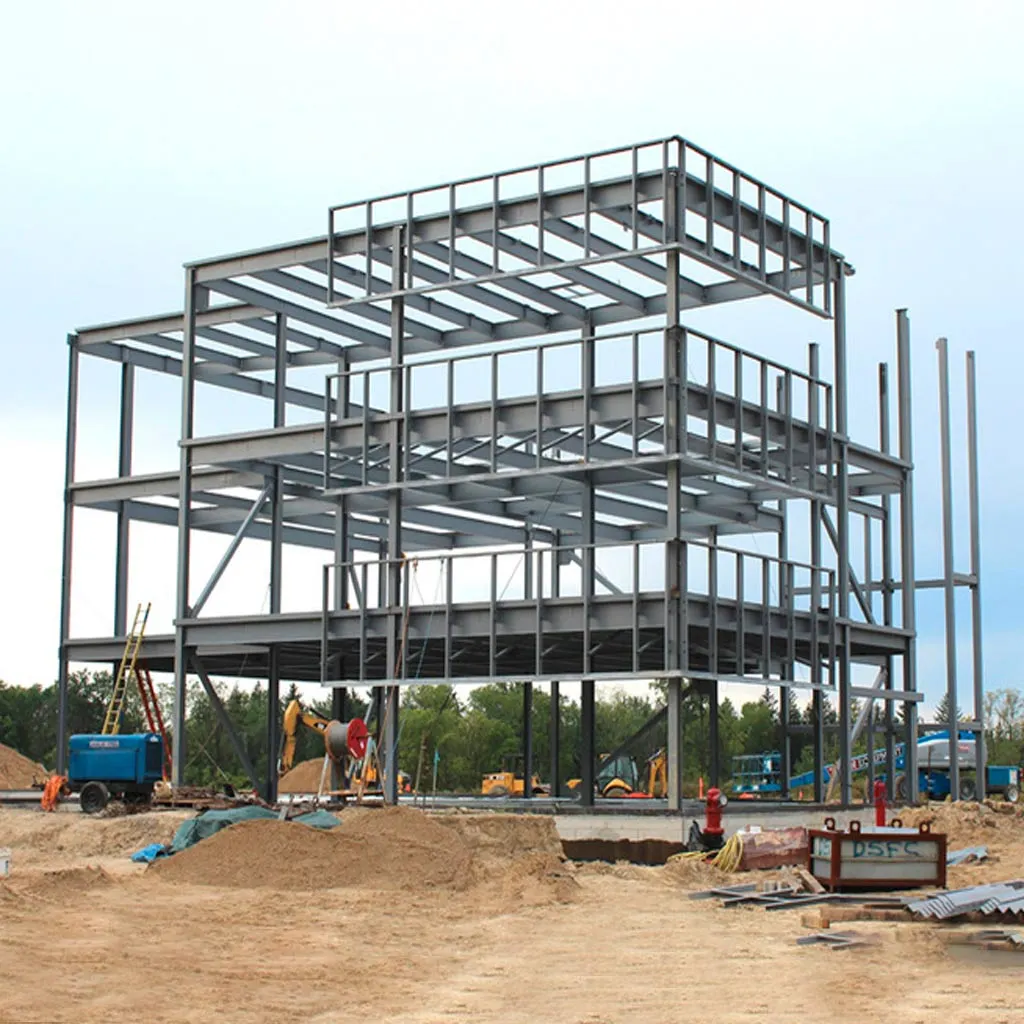
Main Characteristics of Steel Structures
High Strength-to-Weight Ratio: Structural steel possesses an exceptionally favorable strength-to-weight ratio, facilitating the design of long spans and lighter structural frames.
Inherent Ductility: One of the most critical advantages of structural steel is its capability to undergo significant deformation before failure (ductility), ensuring optimal structural performance and energy dissipation under seismic and dynamic loading.
Uniformity of Mechanical Properties: Unlike highly variable construction materials, steel exhibits isotropic and highly predictable material properties, which enhances the reliability and precision of structural design models.
Rapid Construction The use of pre-fabricated steel members significantly reduces project timelines and improves construction quality.
5. قابلیت بازیافت: فولاد یکی از مصالح کاملاً قابل بازیافت است و از نظر زیستمحیطی اهمیت زیادی دارد.
Limitations of Steel Structures
Alongside their advantages, steel structures also have certain limitations:
Susceptibility to corrosion in adverse environmental conditions
Reduction in yield strength at elevated temperatures (vulnerability to fire)
Requirement for ongoing maintenance and the application of protective coatings.
Relatively high initial capital costs for specific project.
اجزای اصلی سازه فولادی
هر سازه فولادی معمولاً از اجزای زیر تشکیل میشود:
تیرها (Beams)
ستونها (Columns)
مهاربندها (Bracing)
اتصالات پیچ و جوش
کفها و سقفهای مرکب
Types of Steel Structural Systems
Steel structures are classified into several main categories based on their load-bearing systems:
Moment Resisting Frames (Moment Frames):
In this system, beam-to-column connections are rigid, and lateral loads are transferred through bending moments.
Braced Frames:
The inclusion of bracing members increases lateral stiffness and reduces structural displacement (drift).
Trusses:
Trusses are composed of axial members and are highly suitable for long-span structures. Space Frames: These structures are utilized to cover vast open areas such as sports arenas and airports.
Space Frames:
These structures are utilized to cover vast open areas such as sports arenas and airports.
Applications of Steel Structures in Modern Projects
Today, structural steel plays a pivotal role in infrastructure and construction projects:
Towers and Skyscrapers (High-Rise Buildings)
Large-Scale Bridges
Refineries and Oil & Gas Industries
Power Plants
Commercial and Industrial Centers
Why is a Steel Structure a Suitable Choice?
The primary reasons for selecting steel structures include:
High speed of construction
Capability to design and execute long spans
Favorable seismic resistance (earthquake performance)
Flexibility for future modifications and expansion
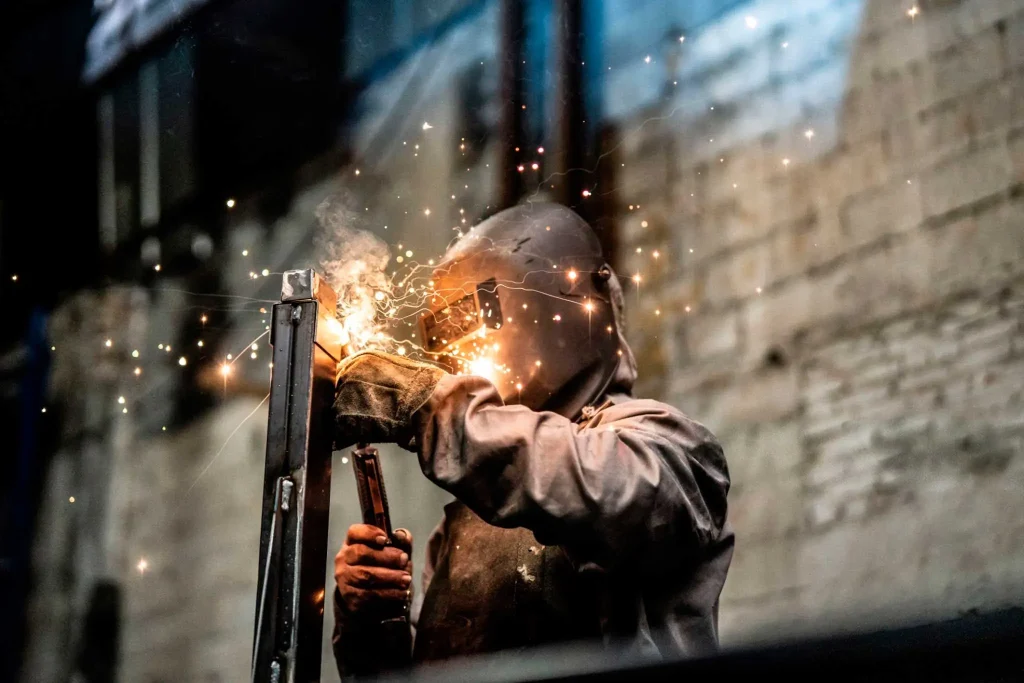
High precision in fabrication and erection

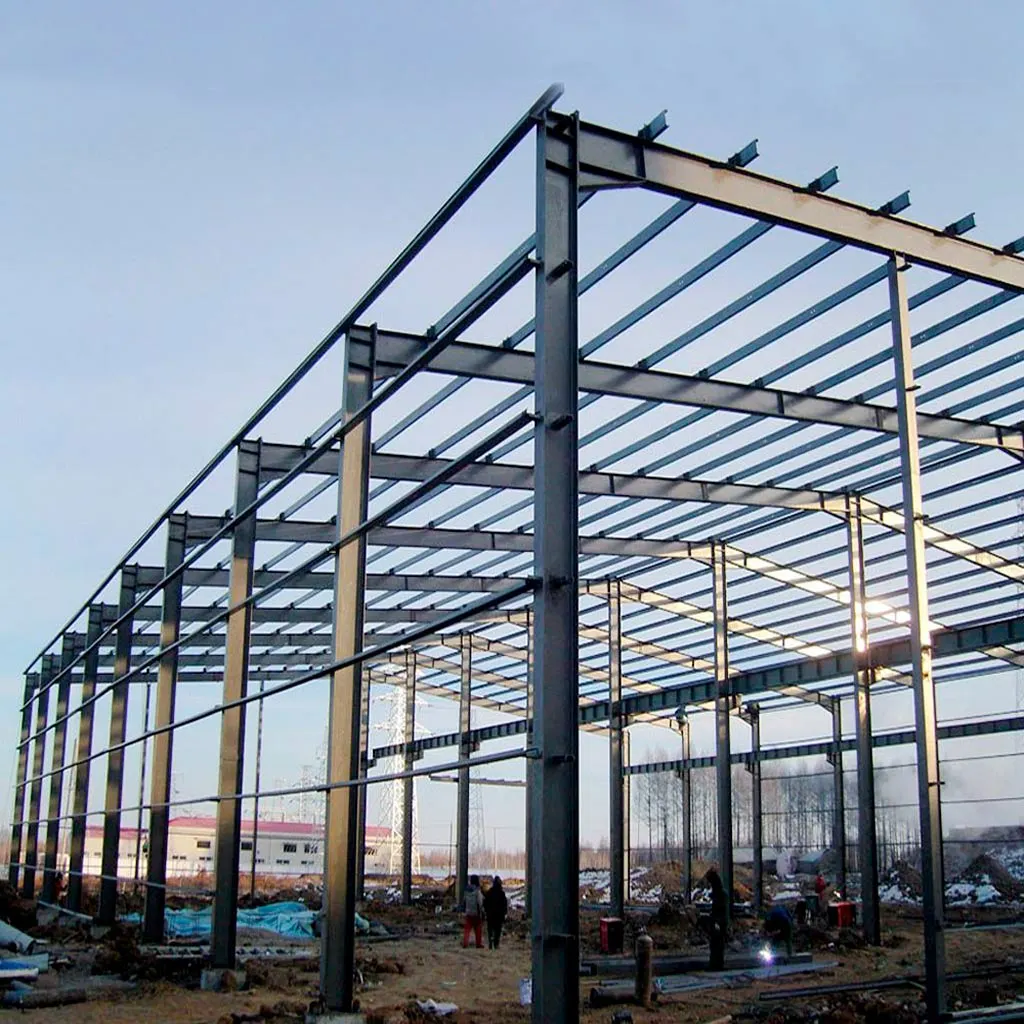

The Future of Steel Structures
With the development of high-strength steels, lightweight structures, Building Information Modeling (BIM) technology, and industrialized construction, the utilization of steel structures is expected to increase in the future. Furthermore, advanced connection technologies and novel materials will play a crucial role in design optimization.
Frequently Asked Questions (FAQ)
It depends on the specific requirements of the project; however, steel structures generally offer faster execution times and higher ductility.
With proper maintenance, the lifespan of a steel structure can easily exceed 50 to 100 years.
The high strength-to-weight ratio and adequate ductility are considered its most significant advantages.
This article is based on the concepts presented in the textbook “Design of Steel Structures” and serves as a comprehensive guide to understanding steel structures in civil engineering.
 Persian
  English